Frontroom Underfashions

What a Certified Mastectomy Fitter Is Trained to Do

The words certified mastectomy fitter usually arrive on a prescription or a discharge sheet, with no explanation attached. A certified mastectomy fitter is a trained health professional who fits external breast prostheses (breast forms worn outside the body) and post-surgical bras. She has completed a pre-certification course, at least 120 supervised hours with patients, and

What a Certified Mastectomy Fitter Is Trained to Do Read More »

Breast Cancer Lymphedema: How to Tell It Apart From Normal Post-Surgery Swelling

Almost every woman swells after breast surgery, and that swelling is not lymphedema. It shows up soon and settles. Lymphedema arrives much later and does not resolve. Lymphedema is swelling caused by lymph fluid collecting in the tissue between skin and muscle, when the lymphatic system — the network of vessels and nodes that drains

Breast Cancer Lymphedema: How to Tell It Apart From Normal Post-Surgery Swelling Read More »

The Women’s Health and Cancer Rights Act: What It Covers for Mastectomy Bras and Breast Forms

If your health plan covers mastectomy and you elect reconstruction, federal law requires it to cover breast prostheses too. The Women’s Health and Cancer Rights Act has set that floor since 1998. It does not set the detail: your share of the cost, replacement intervals, and whether a pocketed bra is included come from your

The Women’s Health and Cancer Rights Act: What It Covers for Mastectomy Bras and Breast Forms Read More »

The Best and Worst Gifts for Someone Going Through Cancer Treatment

Most gifts that go unused were chosen carefully. They just did not fit, arrived in the wrong week, or were bought for the diagnosis instead of for the person. Patients are specific about which ones went in a closet, and why. The Gifts That Get Put Away Were Bought for the Diagnosis Skip anything scented,

The Best and Worst Gifts for Someone Going Through Cancer Treatment Read More »

Hair Regrowth After Chemo: What to Expect Month by Month

Three answers are in print for when hair regrowth after chemo begins: two to three weeks after the last treatment, four to six weeks, or around three months. All are accurate. In the largest study, of 1,470 women treated for breast cancer, regrowth began an average of 3.3 months after treatment ended; 13% saw it

Hair Regrowth After Chemo: What to Expect Month by Month Read More »

Preparing for Chemo Hair Loss: What to Decide Before Your First Treatment

Chemo hair loss usually begins one to three weeks after the first treatment, sometimes closer to four. That is the whole preparation window: the weeks between now and your first infusion. Hair loss is the side effect women most often tell us they fear, and it is one of the few you can prepare for

Preparing for Chemo Hair Loss: What to Decide Before Your First Treatment Read More »

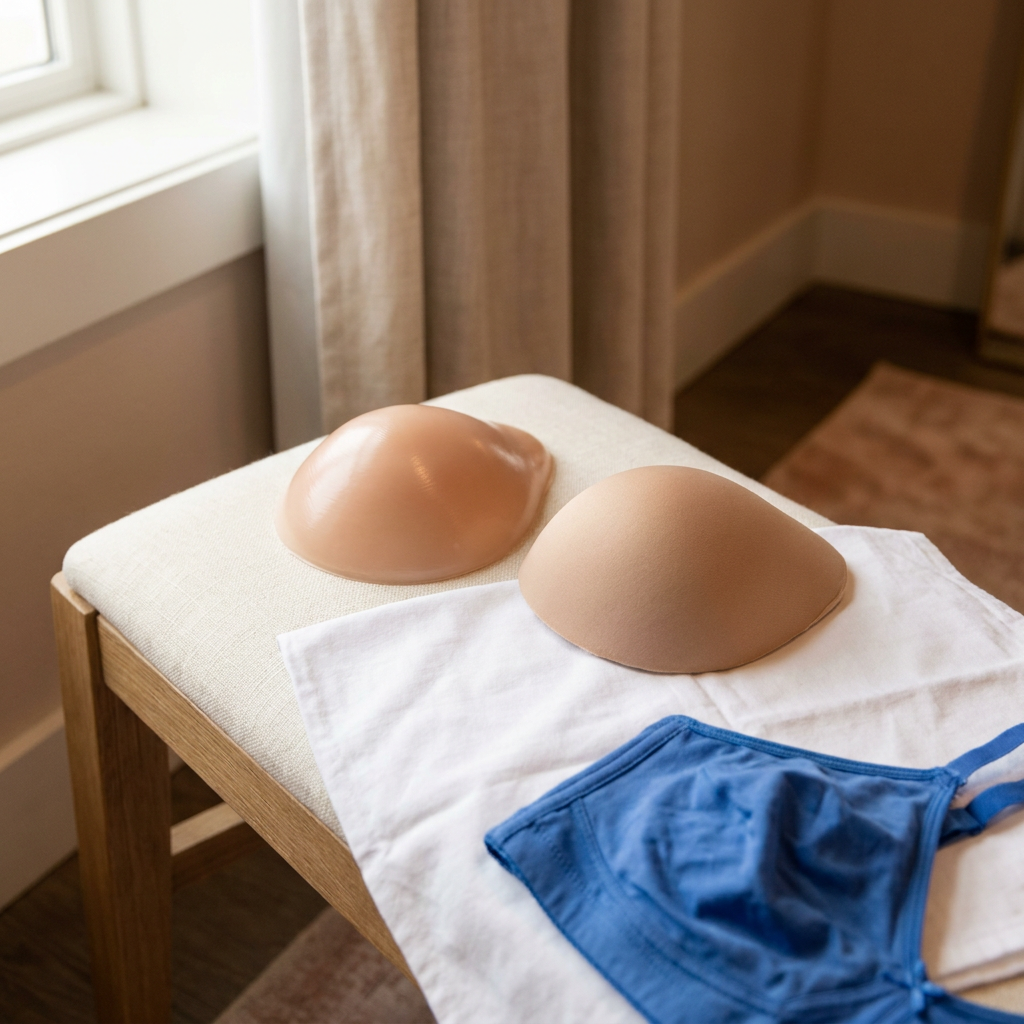
Breast Prosthesis Options Compared: Silicone, Lightweight, Foam, and Custom

Most women who wear a breast form end up owning more than one. The first is chosen by where you are in healing, not by which material you prefer, and a second gets added later for the days the first is wrong for: a workout, a July afternoon, a long flight. Silicone, lightweight silicone, foam,

Breast Prosthesis Options Compared: Silicone, Lightweight, Foam, and Custom Read More »

Wig Care Tips by Season: What Your Wig Needs in Summer, Fall, Winter, and Spring

The cap is damp before you reach the car. It’s 85 degrees, the humidity is thick, and the wig that looked perfect at home now feels like it’s sliding. You adjust it at a stoplight, hoping nobody notices. If that moment sounds familiar, it’s because most wig care advice ignores the calendar. The same routine

Wig Care Tips by Season: What Your Wig Needs in Summer, Fall, Winter, and Spring Read More »

Scroll to Top